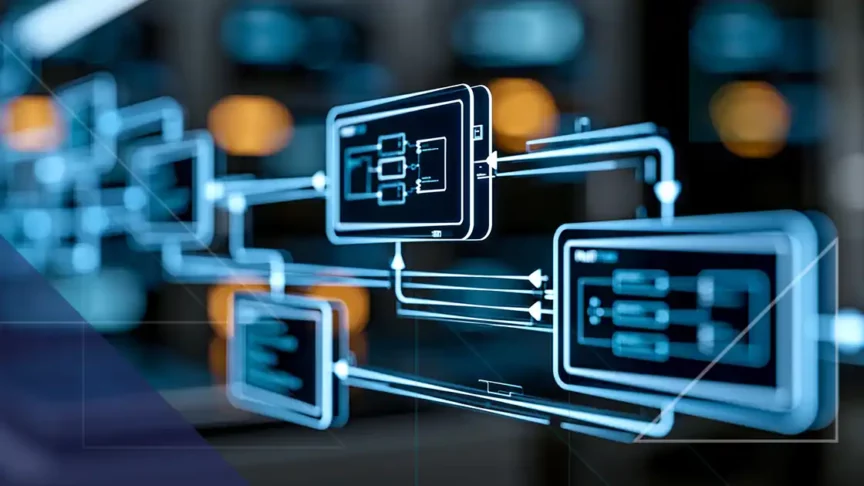
Digital data orchestration flow representing transaction security and protection of sensitive data in motion

Transaction Security: Protect Sensitive Data in Motion

Transaction security protects sensitive data as it moves across applications, networks, payment providers, and other connected systems. Learn how encryption, PCI-validated P2PE, tokenization, authentication, and other technologies can protect data throughout the transaction lifecycle.

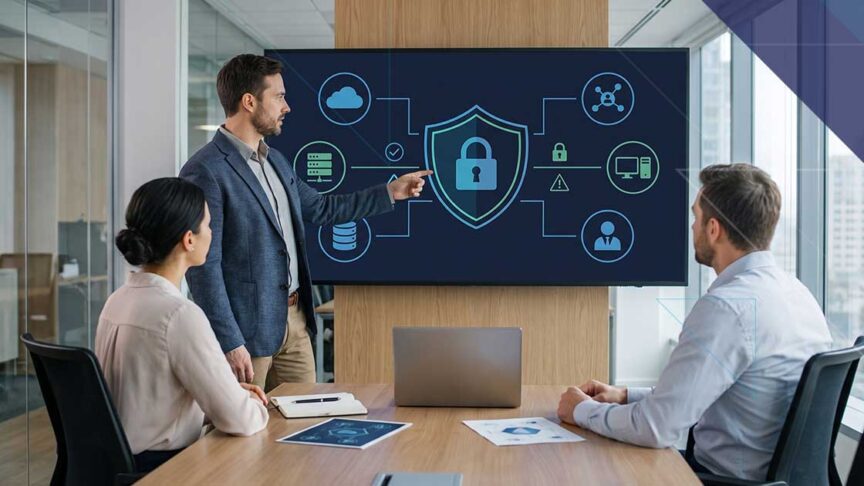
IT professional presenting an enterprise cybersecurity and data breach response strategy to business leaders

How to Prepare a Data Breach Response Plan

A data breach response plan gives organizations clear procedures for detecting, containing, investigating, and recovering from a breach. Learn five best practices for assessing risk, defining responsibilities, documenting procedures, and regularly testing your response plan.

Cybersecurity and data protection graphic representing current data breach trends affecting businesses

Data Breach Findings Call for Increased Cybersecurity Awareness

Data breach trends reveal how phishing, compromised credentials, ransomware, software vulnerabilities, third-party exposure, and human error continue to put sensitive information at risk. Explore recent findings and how cybersecurity awareness, encryption, and tokenization can help businesses strengthen data protection.

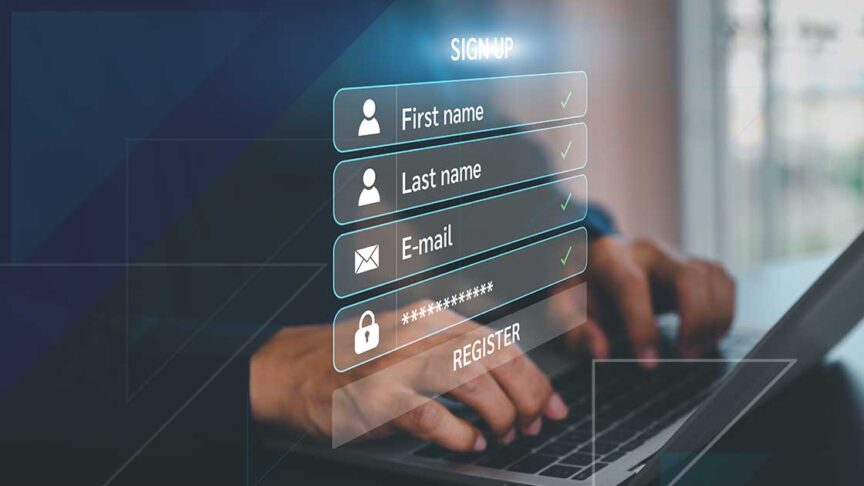
Digital identity and login interface representing PII tokenization and secure customer data protection

PII Tokenization: Secure Customer PII at Scale

PII tokenization replaces sensitive personal information with secure tokens that organizations can use across applications, APIs, clouds, and business workflows. Learn how tokenizing customer PII can reduce data exposure, compliance risk, and enterprise security complexity.

Business and technology leaders discussing payment security strategy and PCI scope reduction

Why PCI Scope Reduction Is a Strategic Priority

PCI scope reduction helps organizations limit the systems, processes, technologies, and people subject to PCI DSS requirements. Learn how P2PE, tokenization, segmentation, and data minimization can reduce compliance complexity, security risk, and operational costs.

Aerial view of a university campus representing higher education payment environments and PCI scope

How to Reduce PCI Scope for Higher Education

Higher education institutions accept payments across tuition, dining, athletics, donations, events, and other campus environments. Learn how PCI-validated P2PE, tokenization, and standardized payment security can help reduce PCI scope and simplify compliance.

Data devaluation cybersecurity graphic showing protected payment, personal, and healthcare data secured with encryption and tokenization

Devaluing Data is the Best Defense in Cybersecurity

Data devaluation protects sensitive information by making it less useful to cybercriminals. Learn how PCI-validated P2PE and vaultless tokenization can reduce data exposure, PCI DSS scope, and the impact of a breach.

Protecting PHI data at the pharmacy

Protecting PHI Data at the Pharmacy

In-store pharmacies handle PHI, PII, and payment data across interconnected systems, creating unique security and compliance challenges. Learn how encryption, tokenization, and secure integrations can help protect sensitive pharmacy data and reduce breach risk.

Navigating Payment and Data Security with Multiple PSPs

Navigating Payment and Data Security with Multiple PSPs

Multi-PSP tokenization gives organizations greater flexibility across payment service providers while helping preserve payment data ownership. Learn how PSP-agnostic tokenization can reduce vendor lock-in, strengthen security, and support scalable payment orchestration.

Secure payment card connected to modern retail payment infrastructure representing protection against cyberattacks

What Retail’s Biggest Cyberattacks Reveal About Modern Payment Infrastructure

From Target to Marks & Spencer, major retail cyberattacks show how security threats have expanded from payment card theft to enterprise-wide disruption. Learn why modern retailers need security-first payment infrastructure that protects sensitive data while supporting resilience and growth.